Buy cloudmigration.eu ?
We are moving the project
cloudmigration.eu .
Are you interested in purchasing the domain
cloudmigration.eu ?
domain@kv-gmbh.de · 0541-91531010
Buy cloudmigration.eu ?
Why can cyanobacteria perform photosynthesis?
Cyanobacteria can perform photosynthesis because they contain chlorophyll, the pigment that allows them to capture light energy from the sun. This light energy is then used to convert carbon dioxide and water into glucose and oxygen, a process known as photosynthesis. Additionally, cyanobacteria have specialized structures called thylakoids where the photosynthetic reactions take place. These adaptations enable cyanobacteria to thrive in a variety of environments and play a crucial role in the Earth's ecosystems as primary producers. **
Are these cyanobacteria blue-green algae?
Yes, cyanobacteria are often referred to as blue-green algae due to their blue-green coloration. However, they are not actually algae but rather a type of bacteria that can perform photosynthesis like algae. Cyanobacteria are important primary producers in aquatic ecosystems and can form harmful algal blooms under certain conditions. **


Similar search terms for Cyanobacteria
Top-Angebote
Products related to Cyanobacteria:
-
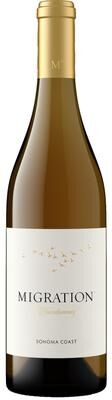
"""Migration Sonoma Coast Chardonnay 2022 White Wine - California""""""This dynamic and beautifully balanced Chardonnay offers aromas of pear, Fuji apple, brioche, lemon zest, toasted hazelnuts and orange blossom. On the palate, zesty citrus flavors are framed by energetic cool-climate acidity, with hints of crème..."30,99 $*Shipping: 0,00 $Secure redirect to the provider
-
"""Migration Sonoma Coast Pinot Noir 2022 Red Wine - California""""""This classy and poised Pinot Noir displays an array of dark berry notes, including raspberry, blackberry, blueberry, and ripe cherry, along with a hint of baking spices. Balanced tension and refined tannins on the palate make the wine both elegant..."36,99 $*Shipping: 0,00 $Secure redirect to the provider
-
"""Migration Sonoma Coast Pinot Noir 2023 Red Wine - California""""""Both refined and expressive, this Pinot Noir reveals alluring aromas of dark cherry, berry compote and forest floor with a hint of Christmas spice. On the palate, elegant tannins and a supple structure frame flavors of tart cherry, while a touch of..."34,97 $*Shipping: 0,00 $Secure redirect to the provider
-
DEVERA Hanger and Full-length Mirror IntegrationSpecification Main Material: Rubber Wood,Solid Wood,Wood+Glass Product Style: American Design,Art Deco,Artsy,Contemporary,European Product Features Product Information: Full-length mirror, solid wood + rubber wood + glass, 65.7*17.7in (mirror width:…302,39 $*Shipping: 0,00 $Secure redirect to the provider


-
Why can cyanobacteria live in low light areas?
Cyanobacteria can live in low light areas because they have adapted to be able to photosynthesize in low light conditions. They contain specialized pigments that allow them to capture and use light energy more efficiently, such as phycocyanin and phycoerythrin. Additionally, they have the ability to adjust their photosynthetic machinery to optimize light absorption in low light environments. This allows them to thrive in a variety of aquatic habitats, including those with limited light penetration. **
-
What is there to know about cyanobacteria in the aquarium?
Cyanobacteria, also known as blue-green algae, can be a common problem in aquariums. They thrive in environments with excess nutrients and low oxygen levels. Cyanobacteria can quickly cover surfaces in the aquarium, affecting the water quality and potentially harming fish and plants. To control cyanobacteria growth, it is important to address the root cause by reducing excess nutrients through proper aquarium maintenance, such as regular water changes and cleaning. Additionally, introducing algae-eating fish or invertebrates can help keep cyanobacteria under control. **
-
How do blue layers in the aquarium form due to cyanobacteria?
Blue layers in the aquarium form due to cyanobacteria because these bacteria contain pigments that give them a blue-green color. When cyanobacteria bloom in the aquarium, they can form dense layers on surfaces such as rocks, substrate, or plants. These layers can appear blue in color due to the concentration of cyanobacteria and their pigments. The presence of excess nutrients, low water flow, and poor water quality can contribute to the growth of cyanobacteria and the formation of blue layers in the aquarium. **
-
What did the evolution of cyanobacteria look like in the past?
Cyanobacteria, also known as blue-green algae, are one of the oldest forms of life on Earth. They played a crucial role in the evolution of the planet by producing oxygen through photosynthesis, which eventually led to the oxygenation of the atmosphere. Over time, cyanobacteria evolved and diversified into various species, adapting to different environments and contributing to the development of complex ecosystems. Their ability to thrive in diverse conditions has allowed them to persist and continue shaping the Earth's environment. **


What is the range of effects of cyanobacteria and green algae?
Cyanobacteria and green algae can have a wide range of effects on the environment. They are important producers of oxygen through photosynthesis and play a crucial role in the food web as a source of energy for other organisms. However, they can also have negative effects, such as producing harmful algal blooms that can release toxins into the water and harm aquatic life. Additionally, excessive growth of cyanobacteria and green algae can lead to eutrophication, which can deplete oxygen levels in the water and harm other organisms. Overall, their effects can be both beneficial and detrimental to the environment. **
How do blue layers form in the aquarium due to cyanobacteria?
Blue layers form in the aquarium due to cyanobacteria when the bacteria produce pigments called phycocyanin and allophycocyanin. These pigments give the cyanobacteria a blue-green color, which can create a blue layer on surfaces in the aquarium. The presence of excess nutrients, low water flow, and low oxygen levels can promote the growth of cyanobacteria, leading to the formation of these blue layers. Regular maintenance, such as water changes and cleaning, can help prevent the overgrowth of cyanobacteria and the formation of blue layers in the aquarium. **
Top-Angebote
Products related to Cyanobacteria:
-
Multisell Products Hub DIY Voice Control Light Switch Module For Smart Home Automation With Tuya, Alexa & Google Home Integration DIY Voice Control Light Switch Module For Smart Home Automation With Tuya, Alexa & Google Home IntegrationUpgrade your home with the DIY Light Switch Module, bringing cuttingedge smart home automation to your fingertips. Perfect for those who want seamless control over their lighting and appliances, this module easily integrates with Alexa and Google...34,97 $*Shipping: 0,00 $Secure redirect to the provider
-
United Charger & Smartwatch Data Cable Replacement Charger & Smartwatch Data Cable ReplacementKeep your Garmin 920XT charger ready whenever adventure calls. Designed for athletes, runners, and fitness enthusiasts, this replacement charger ensures your Forerunner 920XT stays powered and connected. Its durable smartwatch charging cable offers...39,97 $*Shipping: 0,00 $Secure redirect to the provider
-
"""Migration Sonoma Coast Chardonnay 2022 White Wine - California""""""This dynamic and beautifully balanced Chardonnay offers aromas of pear, Fuji apple, brioche, lemon zest, toasted hazelnuts and orange blossom. On the palate, zesty citrus flavors are framed by energetic cool-climate acidity, with hints of crème..."30,99 $*Shipping: 0,00 $Secure redirect to the provider
-
"""Migration Sonoma Coast Pinot Noir 2022 Red Wine - California""""""This classy and poised Pinot Noir displays an array of dark berry notes, including raspberry, blackberry, blueberry, and ripe cherry, along with a hint of baking spices. Balanced tension and refined tannins on the palate make the wine both elegant..."36,99 $*Shipping: 0,00 $Secure redirect to the provider
-
Why can cyanobacteria perform photosynthesis?
Cyanobacteria can perform photosynthesis because they contain chlorophyll, the pigment that allows them to capture light energy from the sun. This light energy is then used to convert carbon dioxide and water into glucose and oxygen, a process known as photosynthesis. Additionally, cyanobacteria have specialized structures called thylakoids where the photosynthetic reactions take place. These adaptations enable cyanobacteria to thrive in a variety of environments and play a crucial role in the Earth's ecosystems as primary producers. **
-
Are these cyanobacteria blue-green algae?
Yes, cyanobacteria are often referred to as blue-green algae due to their blue-green coloration. However, they are not actually algae but rather a type of bacteria that can perform photosynthesis like algae. Cyanobacteria are important primary producers in aquatic ecosystems and can form harmful algal blooms under certain conditions. **
-
Why can cyanobacteria live in low light areas?
Cyanobacteria can live in low light areas because they have adapted to be able to photosynthesize in low light conditions. They contain specialized pigments that allow them to capture and use light energy more efficiently, such as phycocyanin and phycoerythrin. Additionally, they have the ability to adjust their photosynthetic machinery to optimize light absorption in low light environments. This allows them to thrive in a variety of aquatic habitats, including those with limited light penetration. **
-
What is there to know about cyanobacteria in the aquarium?
Cyanobacteria, also known as blue-green algae, can be a common problem in aquariums. They thrive in environments with excess nutrients and low oxygen levels. Cyanobacteria can quickly cover surfaces in the aquarium, affecting the water quality and potentially harming fish and plants. To control cyanobacteria growth, it is important to address the root cause by reducing excess nutrients through proper aquarium maintenance, such as regular water changes and cleaning. Additionally, introducing algae-eating fish or invertebrates can help keep cyanobacteria under control. **
Similar search terms for Cyanobacteria
-
"""Migration Sonoma Coast Pinot Noir 2023 Red Wine - California""""""Both refined and expressive, this Pinot Noir reveals alluring aromas of dark cherry, berry compote and forest floor with a hint of Christmas spice. On the palate, elegant tannins and a supple structure frame flavors of tart cherry, while a touch of..."34,97 $*Shipping: 0,00 $Secure redirect to the provider
-
DEVERA Hanger and Full-length Mirror IntegrationSpecification Main Material: Rubber Wood,Solid Wood,Wood+Glass Product Style: American Design,Art Deco,Artsy,Contemporary,European Product Features Product Information: Full-length mirror, solid wood + rubber wood + glass, 65.7*17.7in (mirror width:…302,39 $*Shipping: 0,00 $Secure redirect to the provider
-
"""Migration Sonoma Coast Chardonnay 2023 White Wine - California""""""This dynamic and beautifully balanced Chardonnay offers aromas of pear, Fuji apple, brioche, lemon zest, toasted hazelnuts and orange blossom. On the palate, zesty citrus flavors are framed by energetic cool-climate acidity, with hints of crème..."32,97 $*Shipping: 0,00 $Secure redirect to the provider
-
DEVERA Hanger and Full-length Mirror IntegrationSpecification Main Material: Rubber Wood,Solid Wood,Wood+Glass Product Style: American Design,Art Deco,Artsy,Contemporary,European Product Features Product Information: Full-length mirror, solid wood + rubber wood + glass, 65.7*17.7in (mirror width:…277,49 $*Shipping: 0,00 $Secure redirect to the provider
-
How do blue layers in the aquarium form due to cyanobacteria?
Blue layers in the aquarium form due to cyanobacteria because these bacteria contain pigments that give them a blue-green color. When cyanobacteria bloom in the aquarium, they can form dense layers on surfaces such as rocks, substrate, or plants. These layers can appear blue in color due to the concentration of cyanobacteria and their pigments. The presence of excess nutrients, low water flow, and poor water quality can contribute to the growth of cyanobacteria and the formation of blue layers in the aquarium. **
-
What did the evolution of cyanobacteria look like in the past?
Cyanobacteria, also known as blue-green algae, are one of the oldest forms of life on Earth. They played a crucial role in the evolution of the planet by producing oxygen through photosynthesis, which eventually led to the oxygenation of the atmosphere. Over time, cyanobacteria evolved and diversified into various species, adapting to different environments and contributing to the development of complex ecosystems. Their ability to thrive in diverse conditions has allowed them to persist and continue shaping the Earth's environment. **
-
What is the range of effects of cyanobacteria and green algae?
Cyanobacteria and green algae can have a wide range of effects on the environment. They are important producers of oxygen through photosynthesis and play a crucial role in the food web as a source of energy for other organisms. However, they can also have negative effects, such as producing harmful algal blooms that can release toxins into the water and harm aquatic life. Additionally, excessive growth of cyanobacteria and green algae can lead to eutrophication, which can deplete oxygen levels in the water and harm other organisms. Overall, their effects can be both beneficial and detrimental to the environment. **
-
How do blue layers form in the aquarium due to cyanobacteria?
Blue layers form in the aquarium due to cyanobacteria when the bacteria produce pigments called phycocyanin and allophycocyanin. These pigments give the cyanobacteria a blue-green color, which can create a blue layer on surfaces in the aquarium. The presence of excess nutrients, low water flow, and low oxygen levels can promote the growth of cyanobacteria, leading to the formation of these blue layers. Regular maintenance, such as water changes and cleaning, can help prevent the overgrowth of cyanobacteria and the formation of blue layers in the aquarium. **
* All prices are inclusive of VAT and, if applicable, plus shipping costs. The offer information is based on the details provided by the respective shop and is updated through automated processes. Real-time updates do not occur, so deviations can occur in individual cases. ** Note: Parts of this content were created by AI.